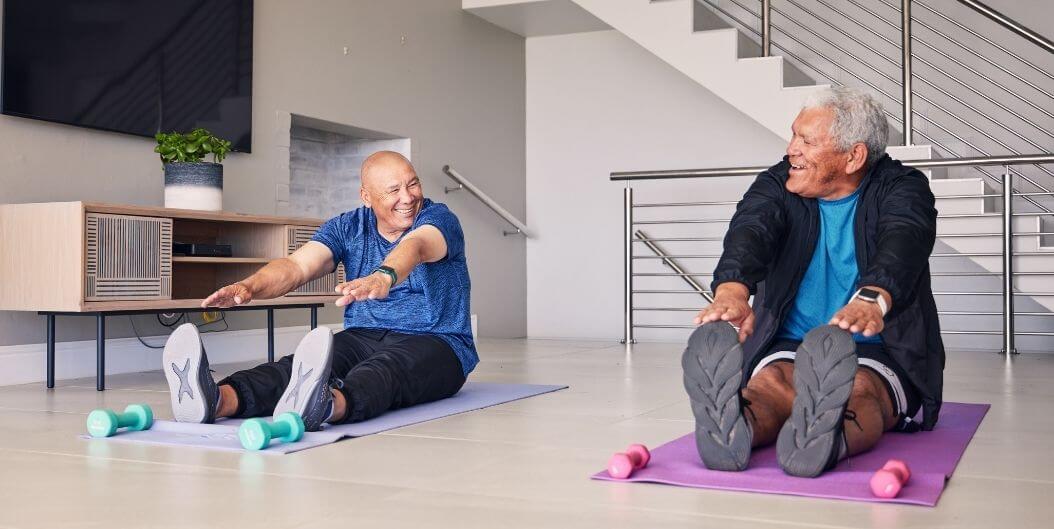
Stay Upright and Energized with These Helpful Stretches at Your Assisted Living Retirement Home
There’s a quiet kind of confidence that comes from feeling steady on your feet. You stand up from a chair without a second thought, reach for a cup on a high shelf, and walk to lunch with an easy stride. That kind of freedom doesn’t happen by accident. It grows from small habits, and one of the simplest is a few minutes of gentle stretching each day.
Stretching won’t take much time, doesn’t require special equipment, and can be done almost anywhere, from the edge of your bed to a comfortable chair in the common room. When you live in an assisted living setting, you have the added advantage of a supportive environment and plenty of company, which makes it much easier to turn a good idea into a daily routine.
This guide walks through easy stretches from head to toe, explains how to do them safely, and shows how to weave them into your day so you feel taller, looser, and more energized.
Why Stretching Helps You Stay Upright and Energized
Our bodies naturally tighten up as we age. Muscles lose a bit of elasticity, joints can feel stiff in the morning, and long periods of sitting can leave your back, hips, and shoulders feeling cramped. Gentle stretching helps counter those changes.
Regular, easy stretching may help you:
- Move more comfortably. Looser muscles and joints make everyday tasks feel easier.
- Stand taller. Stretching the chest, shoulders, and back supports better posture.
- Feel steadier. Flexible ankles, hips, and legs contribute to better balance.
- Boost your energy. Light movement gets blood flowing and can shake off afternoon sluggishness.
- Relax. Slow stretches paired with deep breathing can ease tension and calm your mind.
None of this requires intensity. In fact, the gentler you are, the better. Stretching should feel like a mild pull, never a sharp pain.
Before You Begin: A Few Simple Safety Tips
A little preparation makes stretching safer and more enjoyable.
- Check with your doctor. If you have joint concerns, heart conditions, balance issues, or recent surgery, ask what’s right for you.
- Choose a sturdy chair. Pick one with a firm seat and no wheels. For standing stretches, keep a wall, countertop, or sturdy chair within reach.
- Wear comfortable clothing and supportive shoes. Non-slip soles are best for standing.
- Move slowly. Ease into each stretch and avoid bouncing or jerking.
- Breathe. Inhale deeply, exhale as you stretch, and never hold your breath.
- Stop if it hurts. Mild tension is normal. Pain, dizziness, or numbness is a signal to stop and speak with your care team.
- Ask for help. Team members are happy to guide you or stay close if you’d like extra support.
A Head-to-Toe Stretching Routine
Here’s an easy sequence you can do in about ten minutes. Hold each stretch for around fifteen to thirty seconds, and repeat once or twice if it feels good.
Neck Tilts
Sit tall with your shoulders relaxed. Slowly lower your right ear toward your right shoulder until you feel a gentle stretch along the left side of your neck. Hold, then return to center and repeat on the other side. Keep your shoulders down and your movements smooth.
Shoulder Rolls
Lift your shoulders toward your ears, roll them back, and let them drop. Do this several times, then reverse the direction. This simple motion melts away the tension that builds up from reading, watching television, or sitting at a table.
Chest Opener
Sit near the front of your chair and gently clasp your hands behind your back, or hold the sides of the chair if that’s more comfortable. Lift your chest slightly and draw your shoulder blades toward each other. This counteracts the forward hunch many of us fall into and encourages a more upright posture.
Overhead Reach
Raise both arms overhead and reach toward the ceiling, as if you’re trying to grow an inch taller. Stretch up through your fingertips, breathe deeply, then slowly lower your arms. It’s wonderfully refreshing in the morning.
Seated Side Bend
With one hand on the seat for support, lift the opposite arm overhead and lean gently to the side. You should feel a stretch along your ribs and waist. Return to center and switch sides.
Seated Spinal Twist
Sit tall, place your right hand on your left knee, and gently turn your upper body to the left, looking over your shoulder. Hold, then return and repeat to the other side. Rotate only as far as feels comfortable, and keep your hips facing forward.
Wrist and Finger Stretches
Extend one arm in front of you with the palm facing up. With your other hand, gently draw the fingers back toward you. Then turn the palm down and gently press the fingers toward the floor. These help keep hands limber for writing, buttoning, and holding utensils.
Seated Hamstring Stretch
Sit toward the edge of your chair and extend one leg in front of you with the heel on the floor and the toes pointing up. Keeping your back straight, hinge slightly forward from the hips until you feel a stretch along the back of your thigh. Switch legs. Tight hamstrings can pull on the lower back, so this one is especially helpful.
Ankle Circles and Flexes
Lift one foot slightly off the floor and slowly draw circles with your toes in one direction, then the other. Follow with a gentle point and flex of the foot. Flexible ankles are a big part of feeling steady when you walk.
Calf Stretch at the Wall
Stand facing a wall with your hands at shoulder height. Step one foot back, keep the heel on the floor, and gently bend the front knee until you feel a stretch in the back calf. Hold, then switch. Always keep your hands on the wall for balance.
Build a Rhythm: Stretches for Different Times of Day
You don’t need to do the entire routine at once. Many people find it easier to spread stretches throughout the day.
Morning wake-up. Before you get out of bed, try a few ankle circles, gentle knee hugs, and an overhead reach. Once you’re up, add shoulder rolls and a side bend to ease out any stiffness.
Midday reset. After a meal or an activity, take a few minutes for a chest opener, spinal twist, and hamstring stretch. It’s a great way to beat the afternoon slump.
Evening wind-down. Slow neck tilts, wrist stretches, and deep breathing help you relax before bed. A calm, unhurried routine can help you settle in for a restful night.
Pairing stretches with something you already do, like after brushing your teeth or before lunch, makes it easier to remember.
Stretching Alongside Other Healthy Habits
Stretching works best when it’s part of a balanced lifestyle. Staying active, eating well, and caring for your heart all support each other. If you’d like some inspiration, there are plenty of heart-healthy habits for seniors that complement a stretching routine nicely, from gentle walks to simple dietary choices.
Nutrition matters, too. Meals made with fresh, locally sourced ingredients give your body the fuel it needs to move well. With multiple dining venues to choose from, including a bistro, you can enjoy a variety of restaurant-quality meals that support your energy throughout the day.
Staying hydrated also makes a difference. Sip water regularly, especially before and after you stretch.
Make It Social and Make It Fun
Stretching is more enjoyable with friends. Invite a neighbor to join you, play your favorite music, or turn it into a daily ritual after breakfast. A little laughter makes any routine easier to keep.
You’ll find plenty of ways to stay moving and connected. A fitness center, game room, art studio, and theater give you places to be active and social, and dozens of daily activities fill the calendar. Browsing the schedule of classes and events can help you spot fitness-friendly gatherings, and a quick stretch before or after is a wonderful way to prepare your body.
Your Space, Your Routine
One of the joys of assisted living is having a place of your own. When you have a private apartment, you can stretch whenever you like, in your own way, with your own music and your own pace. Understanding whether apartments are private or shared can help you picture how comfortably you’ll be able to build your daily routine at home.
Apartments are also pet-friendly, so your furry companion might even join you on the mat. Many people find that a pet’s presence adds a bit of fun and motivation.
Your home is more than a place to sleep. The value of assisted living apartments goes beyond safety, creating a comfortable space where you can pursue the habits and hobbies that make you feel your best.
Support When You Want It
Healthy habits are easier to maintain when support is nearby. Care associates are available around the clock, and a personalized care plan is created to fit your unique needs. If you’d like guidance on your stretching routine, or if you have a health question about what’s right for you, the team is there to help. An emergency call system and concierge services add extra peace of mind, so you can focus on feeling good.
Tips for Making Stretching a Lasting Habit
- Start small. Even five minutes a day is a great beginning.
- Be consistent. A little each day beats a long session once a week.
- Pair it with a habit. Stretch after a meal, a shower, or a favorite TV show.
- Keep it enjoyable. Add music, a friend, or a view.
- Track your progress. Notice how you feel after a week or two.
- Celebrate small wins. Reaching a little farther or standing a little taller counts.
Frequently Asked Questions
How often should I stretch?
Many people benefit from stretching most days of the week. A few minutes daily is better than one long session.
How long should I hold each stretch?
Around fifteen to thirty seconds is a good guide. Breathe steadily and avoid bouncing.
What if I have limited mobility?
Seated stretches can be adapted for many abilities. Talk with your doctor or the team about what’s best for you.
Is it normal to feel a little sore?
Mild muscle awareness is normal when you start. Sharp pain isn’t. If you feel pain, stop and check in with your care team.
Can stretching really help me stay steady?
Flexibility supports comfortable movement and balance, though it works best alongside regular activity and healthy habits. Your doctor can suggest additional ways to maintain stability.
Summary
A few minutes of gentle stretching each day can help you feel taller, looser, and more energized. Start with simple seated stretches for your neck, shoulders, chest, and back, then add leg and ankle stretches for steadiness. Move slowly, breathe deeply, and listen to your body. Weave your routine into your morning, midday, and evening, and enjoy it with friends when you can. Small, consistent steps lead to big improvements in how you move and feel.
Feel Your Best at Lynridge of Arlington Assisted Living & Memory Care
At Lynridge of Arlington Assisted Living & Memory Care, we want you to feel strong, steady, and full of life every day. With 24/7 care and support, a personalized care plan, a fitness center, dozens of daily activities, and comfortable, pet-friendly apartments, we’ve created a place where healthy habits come naturally.
Come see what a day here could feel like, and imagine starting your morning with a stretch in a space that’s all your own. Schedule a tour today, and let us welcome you with a warm hello.