Enhancing Resident Care Through Staff Training in an Assisted Living Community
Behind every thriving assisted care community is a team of people who do more than follow routines. They observe, respond, and support residents in ways that go far beyond basic care. And the one thing that connects it all? Training.
Senior care isn’t just about keeping up with medications and schedules. It’s about understanding people as they age, recognizing the subtle ways their needs shift, and being able to adjust without causing stress. Staff training is what bridges the gap between intention and impact.
In this article, we explore how proper training directly improves resident care. It covers what caregivers are taught, how their learning continues over time, and why that consistency makes a visible difference in both safety and quality of life.
Why Staff Training Matters in Assisted Living Communities
Residents arrive at assisted living communities with varying levels of needs. For some, the help they need might be minimal, reminders to eat and take their medication, while for others, it’s daily assistance with dressing, walking, memory, and other functions.
No two residents are the same, and care should not be, either. That’s why caregivers who are trained are essential. Training prepares staff to meet each resident where they are. It teaches them how to recognize when something’s off, respond in a calm and confident way, and document changes so that adjustments can be made quickly.
Well-trained staff understand that small shifts matter. When a resident skips breakfast two days in a row or takes longer than usual to get dressed, these aren’t just routine hiccups; they can be early signs of a deeper issue. Training ensures these details don’t get missed.
Beyond health observations, training also helps create emotional safety. For a resident, a scary moment can be made manageable if fought against by a caregiver who knows how to use a soothing voice during moments of tension or knows how to remove frustration. These are the small things that make up someone’s day, and they all start with staff members understanding what to do and how to do it.
Core Skills Every Caregiver Must Have
Caregivers require more than kindness to assist residents effectively. They require particular, day-to-day skills that enable them to help rather than foster dependence.
A major focus of early training is learning how to support activities of daily living. That involves providing assistance with everything from bathing, grooming, the use of the bathroom, and eating, but doing it in a manner that preserves each resident’s dignity. Being able to step in and step out is really important.
Moreover, communication skills are also important. Older adults with hearing loss, impaired processing, or language problems due to stroke or memory loss may struggle. Caregivers learn to speak slowly, employ visual aids where necessary, and listen actively, including when the resident struggles to communicate.
Another important one is mobility support. Staff members are trained to help residents transfer from bed to chair, to use walkers or gait belts, and to mitigate the risk of falls without robbing older adults of independence. These are not universal moves; they’re tailored to who the person is, and training has to help each team member adjust to different body types, personalities, and levels of confidence.
Lastly, perhaps the most crucially of all: the staff are taught how to provide a sense of normalcy. It is about being there without hovering, encouraging independence without pressuring or thrusting it upon residents, helping them maintain a connection with their own routines.
Specialized Training for Memory Support and Cognitive Decline
Memory-related conditions bring a different layer of complexity. Caregivers supporting residents with Alzheimer’s or other forms of dementia need tools that go beyond basic assistance.
Training starts with understanding how memory loss affects communication and behavior. Staff are taught how to redirect instead of contradicting, how to validate a resident’s feelings even if the facts aren’t quite right, and how to de-escalate situations where confusion turns into frustration.
Learning how to manage routines is equally important. Residents living with cognitive decline often rely on structured, familiar patterns. A caregiver who knows how to maintain that flow, from wake-up time to meals to rest, can help reduce anxiety and increase comfort in their apartments.
Specialized memory care training also covers how to respond to wandering, refusal of care, sundowning, and sudden behavioral changes. These moments require fast thinking, a calm tone, and an understanding of how the resident experiences the world.
Without proper training, even the most well-meaning caregiver can unintentionally make a resident feel unsafe. However, if properly trained, they become a source of stability.
Emotional Intelligence and Relationship-Centered Care
A good caregiver is not defined solely by what they do, but by how they show up. Emotional intelligence is the bedrock of good care.
That involves a deep understanding of how to interpret body language, change tone, and reflect emotion when talking with a resident who is anxious or upset. It also means understanding that some residents may be grieving or scared or simply having an off day, and responding to those times without pressure, with patience.
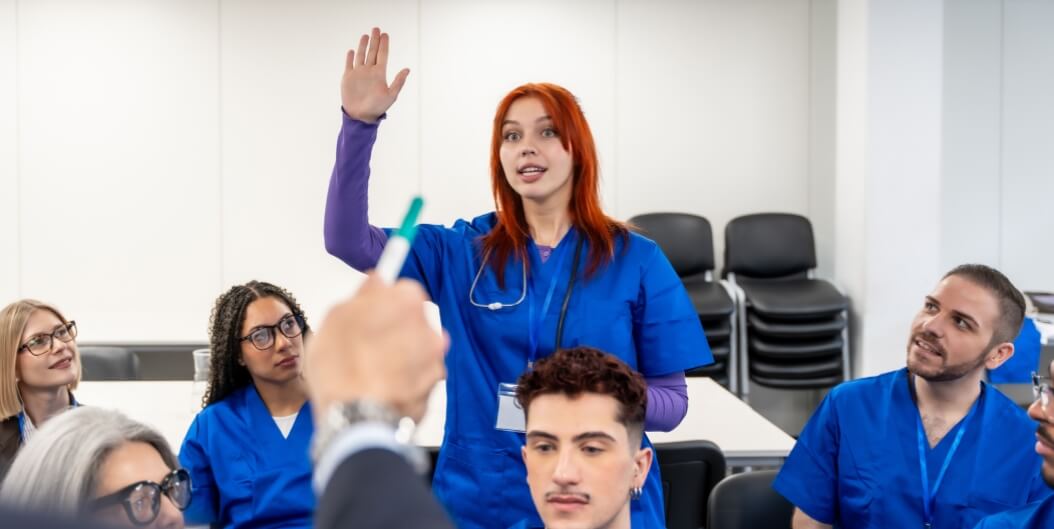
Training for staff frequently involves role plays and case-based learning, aimed at helping team members develop emotional awareness. They learn how to de-escalate situations, to calm and reassure them.
Even when it leads to unsavory affiliations, residents can tell the difference between task-focused and connection-focused. That caregiving that stops and asks about someone’s past, who knows a favorite drink, or who sees when someone is off: that’s the one that makes a resident feel known. And more often than once in the field, this is learned, not simply instinct.
Ongoing Staff Development and Supervision
Training doesn’t end after the first few weeks on the job. In high-quality assisted care communities, education continues. New residents arrive with different needs. Existing residents change. Policies shift. Health conditions evolve. Training has to keep pace.
Communities that value long-term care excellence schedule regular refreshers for their teams. They offer in-service training on topics like fall prevention, medication updates, and emerging trends in dementia care. They also provide mentorship and supervision from more experienced team members, allowing newer staff to learn in real time.
Supervision isn’t just about oversight, it’s about growth. Supervisors help identify blind spots, reinforce best practices, and step in when care needs go beyond the basics. This layered approach ensures that every resident’s changing needs are met with timely, confident support.
Staff who feel supported and trained tend to stay longer. That consistency benefits everyone: residents, families, and fellow team members.
How Families Benefit From Trained Care Teams
Families often arrive with questions, fears, and a deep desire for reassurance. They want to know their loved one is in good hands.
Trained teams ease those fears. They communicate clearly, respond quickly to changes, and keep families informed about what’s happening day to day. Instead of guesswork, there’s partnership.
Training also reduces preventable incidents. Fewer falls, fewer medication errors, fewer behavioral outbursts, all of these outcomes come from a staff that knows what to look for and how to act early.
Even beyond the practical side, trained caregivers build relationships that help families feel less alone. They become trusted partners in care, people who listen, who explain next steps, and who show compassion without judgment.
Want a Team That’s Trained to Truly Care? Tour Lynridge of Arlington Assisted Living and Memory Care Today!
At Lynridge of Arlington, we begin with training our team on how to provide the best care. Each staff member, from caregivers to wait staff in the dining room, is trained to learn to know and support our residents.
Whether your senior loved one needs help moving, remembering , or just needs emotional support, our team is ready. We don’t see training as just a box to check. It’s what enables us to deliver care that feels calm, individualized, and responsive. It’s part of what makes our community feel like home.
Schedule a tour and learn how our trained staff will help your senior loved one live with comfort, dignity, and the support they need, each step of the way.