How Adaptive Exercises Support Wellness in Assisted Living
Exercise is beneficial to your health and wellbeing regardless of your age or physical limitations. However, regular fitness programs may not account for the unique needs, safety concerns, and physical challenges that come with getting older. Assisted living communities have developed adaptive exercise programs designed to benefit seniors of all abilities and provide the most significant health benefits from physical activity.
What Are Adaptive Exercises?
Adaptive exercises are modifications to regular physical activities that make them easier for people of varying abilities while still providing the most health benefits. These exercises are simplified for older people who have difficulty moving, have long-term health problems, are concerned about their balance, or are experiencing cognitive changes. This ensures that they can safely participate and achieve their fitness goals.
Adaptive exercises differ from traditional exercise programs in that they emphasize what you can do rather than what you can’t do. They modify traditional movements, use specialized equipment, and provide varying levels of difficulty to ensure that everyone can participate in meaningful physical activities. Adaptive exercise programs in assisted living communities are run by trained professionals who understand how seniors’ bodies function. They can tailor the activities to each individual’s abilities while ensuring their safety and effectiveness.
Why Are Adaptive Exercises Important in Assisted Living?
Adaptive exercises are essential because they allow people of all abilities to stay fit and healthy in ways that traditional exercise programs may not be able to. Many older people would be unable to exercise safely or effectively without adaptive changes. These specialized programs ensure that your physical limitations do not prevent you from reaping the health benefits of regular exercise, which include increased strength, balance, heart health, mood, and brain function. Adaptive exercises allow everyone in the area to become fit. Adaptive exercise programs in assisted living facilities are safe and supervised, whereas this may not be the case elsewhere. This makes exercise beneficial to seniors with health issues while also being secure.
How Adaptive Exercises Support Senior Wellness in Assisted Living Communities
They Maintain and Increase Muscle Strength
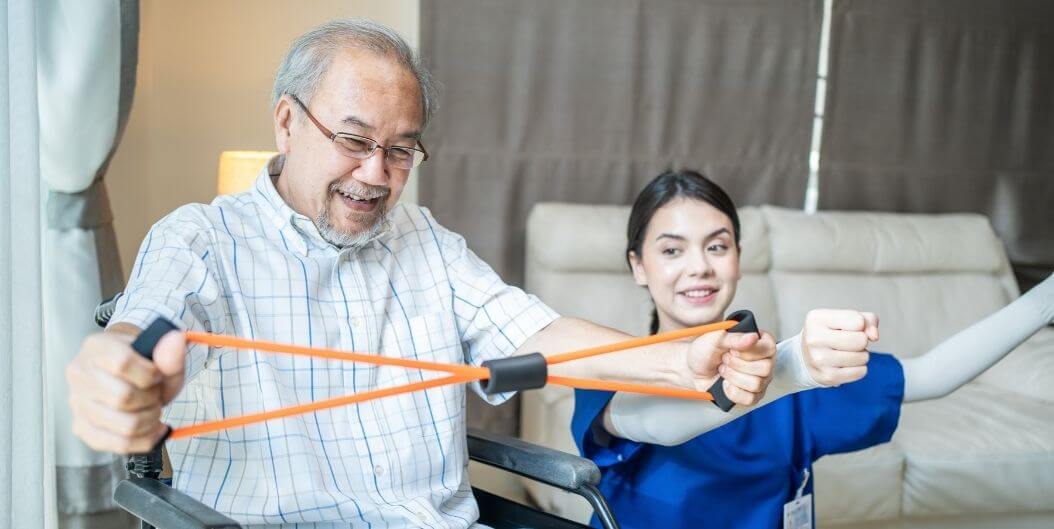
Adaptive strength training employs resistance bands, light weights, or bodyweight exercises that have been tailored to your current strength level and any physical limitations you may have. These exercises help to prevent your muscles from shrinking as you age, which is a natural process. Chair-based strength exercises allow people with balance issues or limited mobility to participate, ensuring that physical limitations do not prevent them from maintaining their strength. Long-term changes can lead to gradual improvement. Functional strength exercises focus on everyday movements such as getting up from a chair, reaching for items, and climbing stairs. These exercises help you stay self-sufficient in your daily tasks.
They Improve Balance and Prevent Falls.
Adaptive balance exercises include modified tai chi, seated balance work, and supported standing. They improve your stability and coordination while lowering your risk of falling.
As your balance improves, the exercises become more challenging. They begin by sitting down and then progress to standing up with support. Safety supports are always available to assist with balance activities. These exercises target the muscle groups and coordination skills that seniors require to avoid falling, which is one of the most serious health risks for seniors in assisted living.
They Improve Heart Health.
Adaptive cardio exercises include chair-based movements, walking programs that can be completed at various levels of mobility, and gentle aerobic activities that safely raise heart rate while accounting for physical limitations. Cardiovascular exercises with low impact are beneficial to your heart and joints. The intensity levels are tailored to each individual so that they are both challenging and doable. Pool-based exercises, when available, are excellent for your heart and do not put undue strain on your joints. People with arthritis or other mobility issues can now participate in cardio exercises.
They Maintain Your Range of Motion and Flexibility.
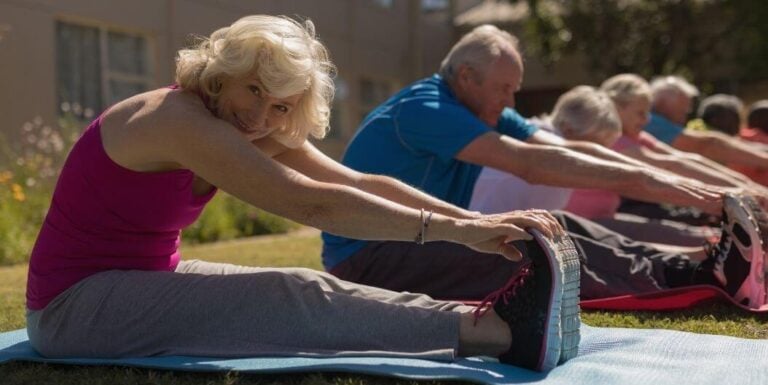
Gentle stretching and modified yoga exercises can help keep your joints flexible and prevent stiffness, which can make it difficult to do daily activities. These exercises can be performed sitting or with support as needed. Range of motion exercises target areas that become stiff as we age, such as the shoulders, hips, and spine. These exercises maintain the flexibility required for personal care and daily tasks. Stretching routines are designed to be painless and gradually harder while flexibility work benefits, rather than harms, joints and muscles as they age.
How Adaptive Exercises Support Mental and Cognitive Wellness
They Ensure Cognitive Stimulation Through Movement.
Adaptive exercises that require coordination, memory, and following instructions exercise both the mind and the body simultaneously. Dance moves and exercises performed in a specific order are beneficial to both the body and the brain. Exercises that require both physical movement and mental challenges, such as counting or word games, help to keep your mind sharp while also improving your fitness. These cognitive-physical combinations are especially beneficial for memory care residents who require both mental and physical activity that is appropriate for their cognitive abilities.
They Improve Mood and Reduce Stress.
Doing adaptive exercises regularly releases endorphins, which improve your mood and reduce anxiety and depression. Completing exercises improves your self-esteem and confidence.
Group exercise classes enable people to meet new people and connect with their community, thereby combating loneliness and isolation. They also make exercise more enjoyable. Gentle, rhythmic exercises such as modified tai chi or chair yoga can help you relax and reduce stress while also improving your body’s functionality.
They Create Better Sleep Quality
Adaptive exercises improve your sleep by providing the appropriate amount of physical activity to allow you to rest without becoming overly tired. The timing and intensity of the exercises are designed to help people sleep better. Regular adaptive exercises can help with restlessness and sleep problems that many seniors experience, resulting in improved overall health and wellbeing.
How Assisted Living Communities Implement Adaptive Exercise Programs
Through Professional Evaluation and Program Planning
Trained exercise professionals consider each resident’s physical abilities, health issues, and exercise preferences when creating personalized adaptive exercise plans that are both safe and challenging for them. Assessments consider medical conditions, mobility issues, cognitive function, and personal goals to ensure that each participant’s exercise program is both safe and effective. Regular reassessments enable programs to change as people’s health and abilities change, ensuring that exercise interventions remain applicable and appropriate.
Through Specialized Tools and Changes.
Communities purchase adaptive exercise equipment such as resistance bands, light weights, stability balls, and special chairs that work for people with a variety of physical limitations while still providing an effective workout. Some of the safety features built into exercise spaces include grab bars, non-slip surfaces, and clear paths, allowing residents who use mobility aids or struggle with balance to participate safely. Making changes to the equipment and offering different versions of exercises ensures that people of all skill levels can join in the same exercise sessions, fostering community and inclusion.
Through Trained Professional Leadership
Certified fitness professionals with senior specialization lead adaptive exercise programs, providing expert advice to each participant on how to modify the exercises and how hard they should work safely. Staff training includes how to deal with age-related physical changes, common health problems in seniors, and emergency procedures explicitly designed to keep seniors safe while exercising. Professional leadership ensures that exercises are completed correctly and safely, as well as providing people with the support and motivation they need to continue doing them.
Through Group and Individual Options
Adaptive exercise programs include both group classes where people can interact with one another and individual sessions that focus on specific needs or preferences for more personalized attention. Group exercises help people feel like they are part of a community that supports one another. In contrast, individual options allow people to make changes that are tailored to their specific needs and health concerns. This flexibility ensures that everyone can participate in adaptive exercise, regardless of their comfort level with group activities or the amount of special attention they require.
Ready to Experience the Benefits of Adaptive Exercise? Discover Lynridge of Arlington Assisted Living & Memory Care
Lynridge of Arlington Assisted Living & Memory Care offers a variety of fitness programs to help you stay fit and improve your health. These programs are tailored to your specific needs and are available to residents of both assisted living and memory care facilities. Schedule a tour today to discover how our adaptive exercise programs in Arlington, Texas, can help you stay strong, balanced, and healthy, while providing the community and professional support you need.